




Agit-prop
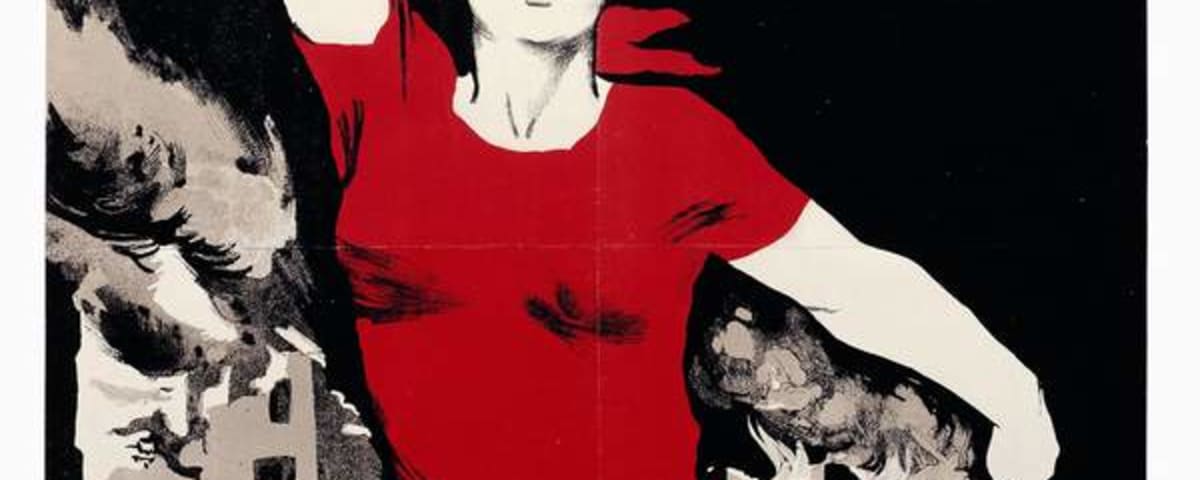
Agit-prop, a contraction of agitation and propaganda, denotes the Department of Agitation and Propaganda set up by the Soviet Communist Party in 1920 to control the ideological education of the masses and to spread official ideology. The term later acquired a broader meaning and came to be applied to any art that openly serves political propaganda, using direct, accessible and emotionally charged imagery to influence mass consciousness. In visual culture agit-prop manifested through posters, the staging of mass festivals, painted agitation trains, photomontage and theatrical events. In the 1920s Constructivist artists, notably El Lissitzky and Alexander Rodchenko, developed a dynamic graphic language of bold type, diagonal compositions and photomontage intended to mobilise the viewer. In Ukraine of this period distinct avant-garde schools developed, while official propaganda sought to subordinate art to the ideological tasks of the totalitarian state. Historically agit-prop is an important example of how artistic means became an instrument of political control, and its visual devices later influenced graphic design and advertising.




