




Abject art
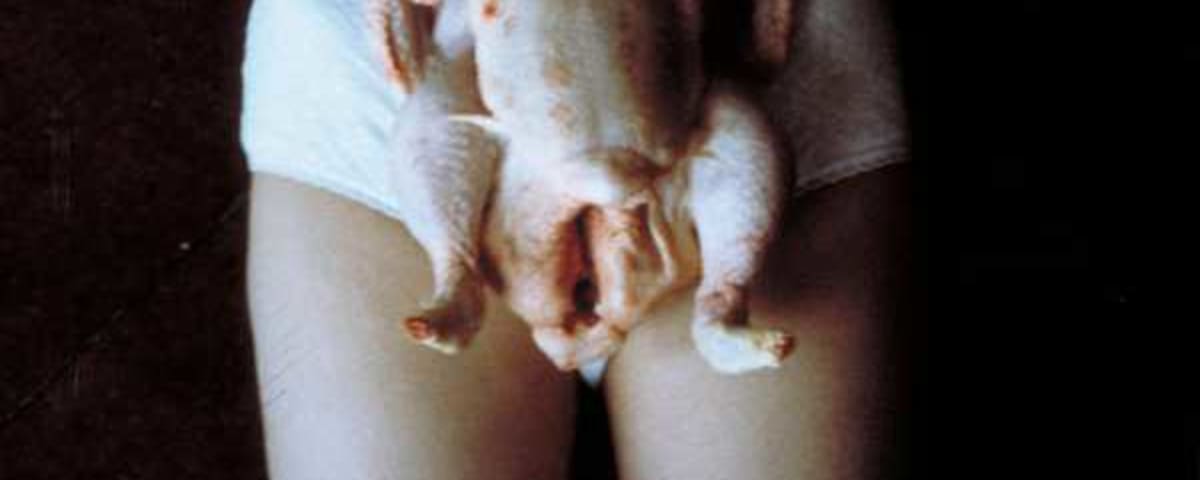
Abject art comprises works that explore themes disturbing and threatening to our sense of cleanliness, integrity and decency, in particular by referring to the body and its functions. The term derives from the Latin abicere, to cast off, and draws on the theory of the philosopher and psychoanalyst Julia Kristeva set out in her essay Powers of Horror (1980). Kristeva described the abject as that which a person expels in order to preserve their own boundaries, secretions, bodily fluids, decay, everything that blurs the border between subject and object. As an artistic category abject art became prominent in the late 1980s and the 1990s, when artists deliberately turned to the repulsive, the corporeal and the taboo in order to challenge ideals of beauty and social norms. The tendency often includes the work of Cindy Sherman, Robert Gober, Kiki Smith and Paul McCarthy. Using images of the body, illness, death and bodily waste, these artists raised questions of identity, gender, mortality and social repression, forcing the viewer to confront what is usually concealed.




